If you’ve noticed slow drains, an unexplained odor in the yard, or a soggy patch of grass that won’t dry out, you may already be seeing signs your septic system is failing. Catching these warning signs early almost always means simpler, less expensive repairs.
In many cases, a professional inspection is all it takes to get ahead of a much bigger problem.
For homeowners in Bucks County, Berks County, and across Greater Philadelphia, spring is the most important time to pay attention. As snow melts and the ground becomes saturated, septic systems that struggled all winter can start showing visible symptoms for the first time.
Knowing what to look for and how serious each sign is can save you thousands of dollars and a lot of stress.
Why Do Septic Systems Fail?
To understand why problems show up when they do, it helps to know how a septic system works and what puts it under the most strain.
A septic system separates wastewater into a tank, where solids settle, and liquids flow out into a drainfield. The soil in the drainfield filters and treats that liquid before it re-enters the groundwater. When any part of that process breaks down, the system starts to fail.
Pennsylvania has an estimated 1.2 million homes on septic systems. Many properties in Bucks and Berks County rely on systems that predate modern standards under Pennsylvania’s Act 537 Sewage Facilities Act.
Older systems, combined with the region’s clay-heavy soils and rocky terrain, create conditions where problems develop slowly and go unnoticed until spring.
Freeze-thaw cycles during winter stress pipes, tank components, and drainfield connections. When snowmelt arrives in March and April, large volumes of water saturate the ground around the drainfield.
If the soil is still partially frozen or already stressed, it can’t absorb and treat wastewater properly, and that’s when symptoms that built up all winter start to surface.

Signs Your Septic System Is Failing
Understanding the warning signs is only half the picture. Knowing how urgent each one is will help you respond the right way at the right time.
Not every warning sign means the same thing. Some require immediate action. Others give you a window to schedule an inspection before a manageable problem becomes a costly emergency. Here’s how to read what you’re seeing.
The following signs go beyond a minor inconvenience. They point to a serious and potentially hazardous situation that needs immediate professional attention. Don’t wait.
- Sewage is backing up into your home: If wastewater comes back up through toilets, sinks, or floor drains, especially in the lowest parts of the house, the system is overwhelmed or blocked. This is a health hazard and needs immediate attention.
- Raw sewage contains bacteria and pathogens that pose a direct risk to anyone in the home.
- Standing water or soggy ground near the drainfield during dry weather: A consistently wet area over your septic drainfield when it hasn’t rained recently is a strong sign that wastewater is surfacing rather than absorbing.
- This is one of the clearest indicators of drainfield failure. Keep children and pets away from the area until a professional evaluates the system.
- Sewage odors inside the home that won’t go away: Persistent indoor sewage smells, not just a brief whiff after heavy use, suggest the system is backing up or venting improperly.
If the odor is strongest near floor drains or in the basement, the system may already be under significant pressure.
If you experience any of the signs above, stop using water in the home if possible and contact a professional right away.
Signs You Should Check the System Soon
If you’re not seeing emergency-level signs, that doesn’t mean you’re in the clear. The following warning signs still need professional evaluation. Ignoring them is how small problems become large ones.
All of your drains are running slowly. One slow drain is usually just a clog. When every drain in the house runs sluggishly at the same time, the issue likely lies with the septic system rather than an individual pipe.
System-wide slowness often signals that the tank needs pumping or the drainfield is losing capacity.
- Gurgling or bubbling sounds in your plumbing: Gurgling in the toilet or other fixtures when water drains elsewhere in the house points to a venting or flow problem. These sounds are easy to dismiss, but they often appear early, before more serious symptoms develop.
- Persistent sewage odors outdoors: A noticeable sewage smell near your tank or drainfield area, especially during warm weather or after rain, suggests something is leaking that shouldn’t be.
- Occasional faint odors after heavy rain can be normal, but a smell that lingers or gets stronger over time warrants a closer look.
- Unusually lush, green grass growing over the septic area: Grass that grows faster or greener directly over the drainfield often gets extra nutrients from effluent reaching the surface. It looks healthy, but it’s a warning sign.
If you mow that strip more often than the rest of the yard, mention it to a professional.
None of these signs should get brushed off as seasonal quirks, especially in spring when conditions already put extra stress on older systems.
Conditions to Monitor and Investigate
Some signs are more subtle and won’t tell you definitively that your system is in trouble. Still, they’re worth taking seriously, especially if you haven’t had a professional evaluation in a while.
- Your system is 20 years old or more. Most septic systems last between 20 and 40 years, depending on type, maintenance history, and soil conditions. If yours hasn’t had a recent inspection and is approaching that range, a proactive evaluation makes sense.
- Many older systems in Bucks and Berks County predate current standards and may lack the capacity of newer designs.
- Increased insects or flies near the septic area. Unusual insect activity around the tank or drainfield can point to a seal or lid issue that allows gases or moisture to escape. It’s a subtle sign, but worth noting if you’ve also noticed odors nearby.
- Algae blooms in nearby water. If you notice algae growth in a pond, stream, or drainage ditch near your property, a failing septic system is one potential source of the excess nutrients driving it. If your home also uses a private well, well water testing becomes especially important in this situation.
Even if none of these signs point to an active failure, they serve as a good reminder that routine inspections cost far less than emergency repairs.
Just Spring Saturation or Something Worse?
A wet yard in April doesn’t automatically mean your septic system is failing, but it doesn’t always mean everything is fine either.
This is one of the most common questions homeowners in Bucks and Berks County face every spring. This section helps you tell the difference.
Normal seasonal saturation tends to affect the yard broadly and dries out within a few days as temperatures rise. If the wet area sits specifically over your drainfield, persists after dry stretches, or carries a noticeable sewage odor, something more than spring thaw may be happening.
Soil conditions in this part of Pennsylvania make the distinction harder, with clay-heavy areas in Bucks County and shale-based terrain in Berks County both prone to holding water long after saturation.
What looks like a drainage issue might actually be early drainfield failure. A septic inspection in early spring, before the ground fully dries out, can reveal problems more clearly than an inspection later in the season.
What Can You Check On Your Own?
Before you pick up the phone, there are a few simple things you can observe and document on your own. This information genuinely helps an inspector assess the situation faster when they arrive.
Walk the area over your drainfield and septic tank. Look for standing water, soft or spongy ground, and any odors. Note how long the wet area has been there and whether it seems to be spreading.
Check whether the slow drains or gurgling sounds come from one fixture or multiple. The single-fixture versus whole-house distinction is one of the most useful diagnostic clues you can provide.

Think about whether water usage has been unusually high recently. A house full of guests, extra laundry, or back-to-back showers can temporarily overwhelm a system already close to its limits. Keep records of anything you notice, including dates, locations, and photos.
One thing you should never do is open or enter the septic tank yourself. Methane and hydrogen sulfide gases accumulate inside septic tanks and can cause rapid loss of consciousness. Leave any hands-on work to a licensed professional.
If you’re also concerned about contamination reaching your drinking water, well water testing is a smart parallel step. A failing septic system near a private well is a serious combination, and early detection through water testing can protect your family before symptoms become visible.
Warning Signs at a Glance
If you want a quick reference to share or come back to, here’s a summary of everything covered above.
| Warning Sign | Urgency | Recommended Action |
|---|---|---|
| Sewage backup indoors | Emergency | Call immediately |
| Standing water near the drainfield during dry weather | Emergency | Call immediately |
| Persistent sewage odors indoors | Urgent | Call soon |
| Lush green grass over the septic area | Inspect Soon | Schedule inspection |
| Gurgling sounds in plumbing | Inspect Soon | Schedule inspection |
| Increased insects near the tank area | Inspect Soon | Schedule inspection |
| Persistent outdoor odors | Monitor | Inspect if it continues |
| System age 20 or more years with no recent inspection | Proactive | Schedule routine inspection |
| Schedule a routine inspection | Investigate | Have it checked |
Now that you have a clearer picture of what to watch for, the next step is understanding when and why to bring in a professional.
When Is It Time For a Professional Septic Inspection?
Once you’ve identified a warning sign, the next question is what a professional inspection involves and why it matters.
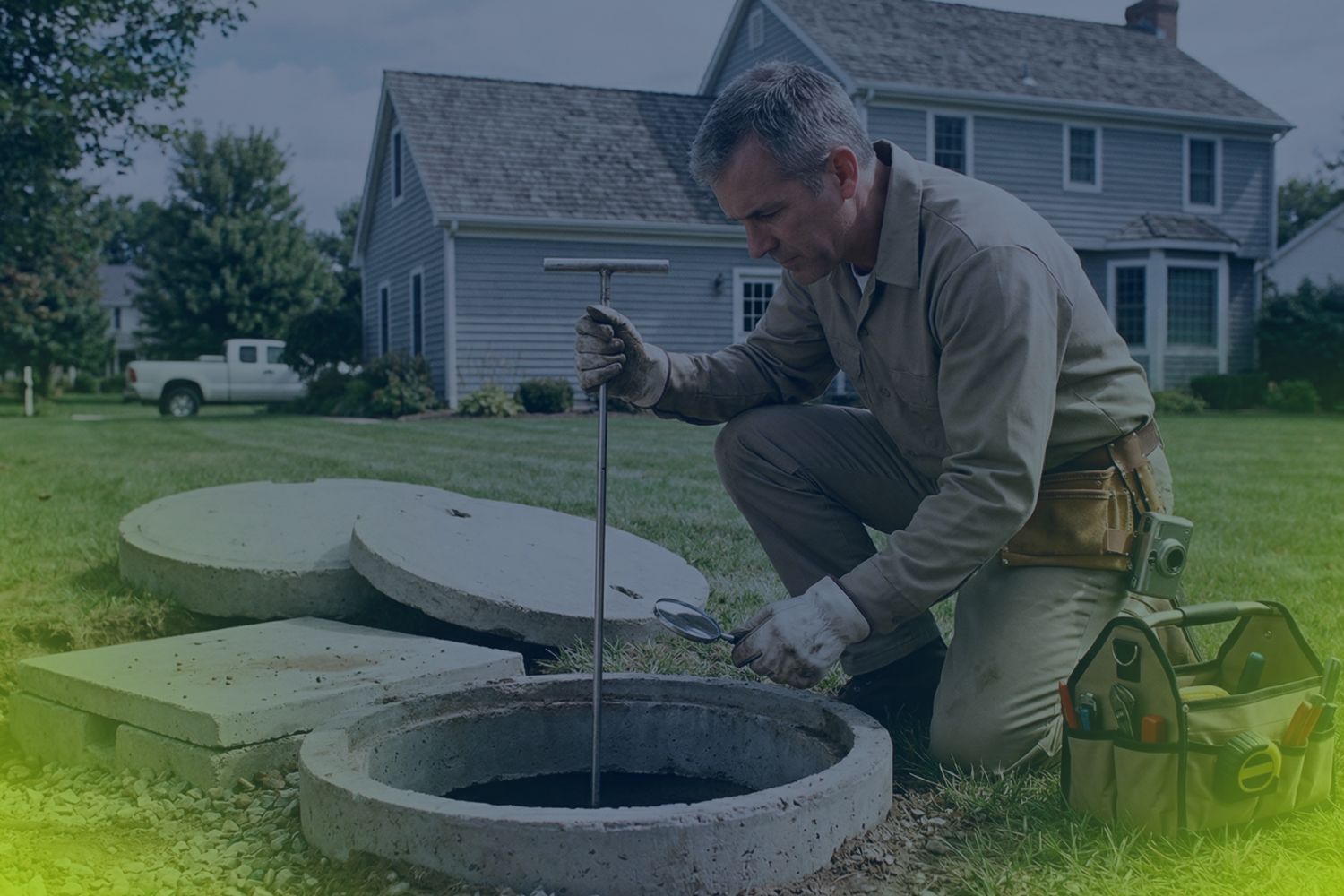
Having your tank pumped is not the same as having it inspected. Pumping removes accumulated solids and covers routine maintenance, while an inspection evaluates the entire system, including the tank, baffles, distribution box, and drainfield.
A pump-out can make a struggling system feel better temporarily without fixing the underlying problem.
A professional septic inspection in southeastern Pennsylvania typically runs between $100 and $1,300, while a full system replacement can cost $15,000 to $35,000 or more. Catching a problem early is about as straightforward a return on investment as homeownership offers.
Buying or selling a home with a septic system? Most lenders require a septic inspection, and it protects both sides of the transaction. For homes where pipes may also be a concern, a sewer lateral inspection can identify hidden blockages as a useful complement.
Related Questions
How long do septic systems last in Pennsylvania?
Most systems last between 20 and 40 years. Lifespan depends on the type of system, maintenance history, and soil conditions. Steel tanks tend to fail sooner than concrete tanks, often within 15 to 25 years.
Can a failing septic system contaminate my well water?
Yes, and it’s one of the more serious risks tied to septic failure. Bacteria and nitrates from a failing system can travel through soil and reach a private well. If you suspect septic issues and use a private well, well water testing should be part of your response plan.
What’s the difference between septic pumping and a septic inspection?
Pumping removes solids from the tank and is a routine maintenance task. An inspection diagnoses the condition and performance of the entire system. Both serve different purposes, and pumping alone won’t tell you whether your system is heading toward failure.
Do I need a septic inspection when buying a home in Bucks or Berks County?
Pennsylvania doesn’t require it by law, but most mortgage lenders do. Beyond the lender requirement, it’s a practical protection. A septic inspection before closing gives you an accurate picture of what you’re buying.
Don’t Wait Until Spring Becomes a Problem
Spring is the most revealing season for septic systems in Bucks and Berks County, and that’s an advantage if you use it. The same conditions that stress older systems also make problems easier to spot before they turn into emergencies.
If you’ve noticed any of the warning signs above, or if your system hasn’t had an evaluation in several years, now is the right time to act.
L&L Home Inspections serves homeowners across Greater Philadelphia, Bucks County, Berks County, and the surrounding region with thorough, clearly reported inspections that give you real answers.
Schedule your septic inspection with L&L Home Inspections and head into the warmer months with confidence.
