
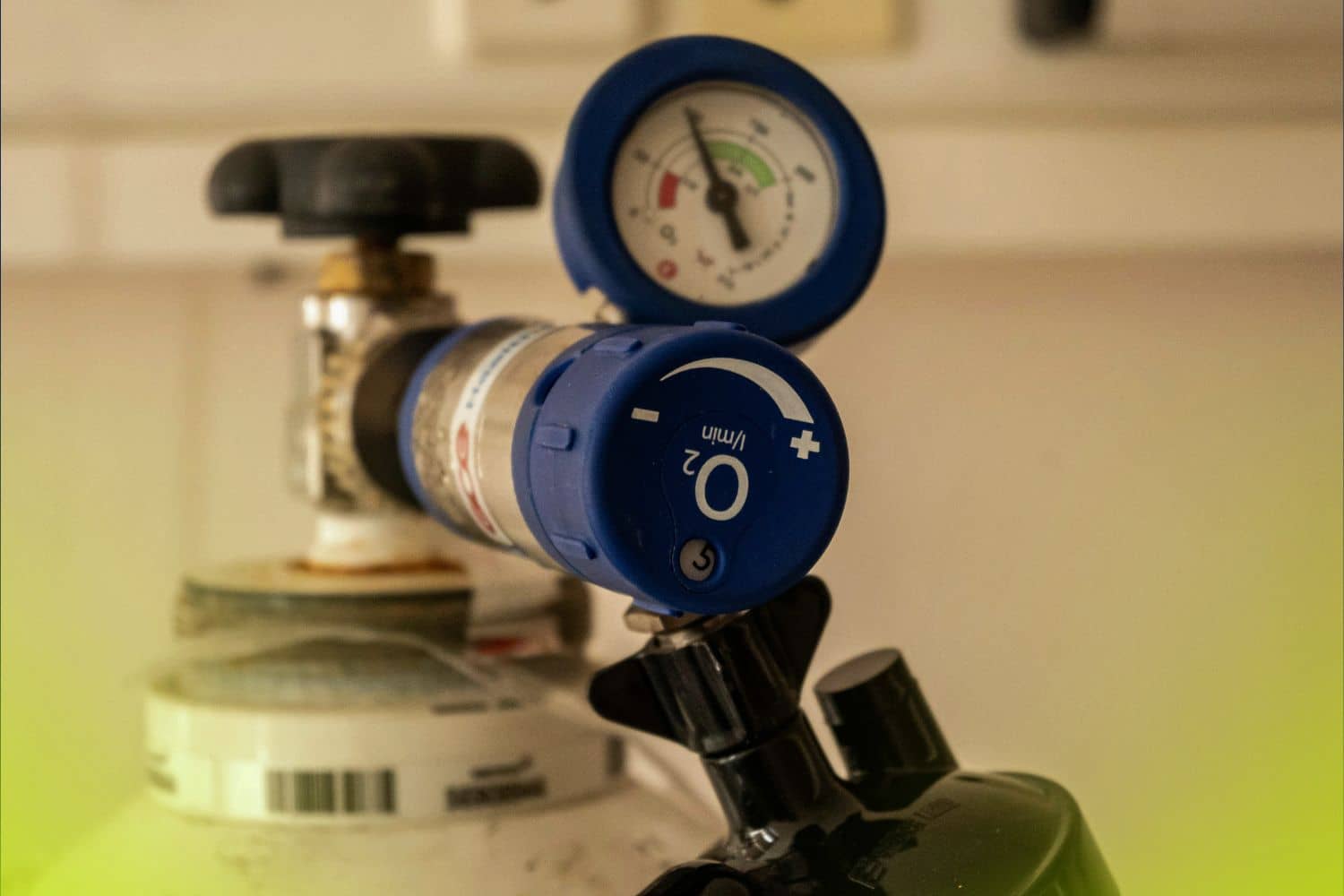
A well water pressure tank is a metal storage vessel that holds pressurized water between pump cycles, so your faucets, showers, and appliances receive a steady flow without forcing the well pump to run every time you turn on a tap. It is one of the most important components in any private well system, and one of the most overlooked until something goes wrong.
If you are buying a home in the Greater Philadelphia area that relies on a private well, or if you already own one, knowing what this tank does and what it looks like when it starts to fail can save you thousands of dollars in pump repairs.
How a Well Water Pressure Tank Works
A well pressure tank uses compressed air and stored water to maintain consistent pressure throughout your home’s plumbing. The tank contains two chambers separated by a rubber bladder or diaphragm: one side holds pressurized air, and the other holds water pumped up from the well.
When the well pump runs, water fills the water chamber and compresses the air on the other side. That stored pressure is what pushes water to your faucets when you open them, even after the pump has shut off. When pressure drops to the cut-in point (typically 30 to 40 PSI), the pump turns back on.
When it reaches the cut-out point (typically 50 to 60 PSI), it shuts off again. The tank bridges the gap between those two points, giving you a reservoir of pressurized water without making the pump run constantly.
The Three Types of Pressure Tanks
- Bladder tanks are the most common type in modern homes. Water enters a balloon-like bladder inside the tank while pressurized air occupies the surrounding space. Because water never contacts the tank wall, corrosion is minimal, and maintenance is lower.
- These are the tanks L&L inspectors see most frequently in Bucks, Berks, and Montgomery County properties.
- Diaphragm tanks work similarly but use a fixed rubber membrane instead of a removable bladder.
- The diaphragm can wear out over time and is not replaceable in most models.
- Air-over-water tanks are older, single-chamber models with no physical separation between air and water. They are still found in some older Pennsylvania homes.
- Over time, air dissolves into the water (a condition called waterlogging), which requires frequent maintenance to correct.

Pressure Settings: Cut-In, Cut-Out, and What They Mean
Most residential pressure tanks are set at either 30/50 PSI or 40/60 PSI. The first number is the cut-in pressure (when the pump turns on) and the second is the cut-out pressure (when it shuts off). The tank’s air charge should be pre-set to 2 PSI below the cut-in pressure.
According to wellowner.org, maintaining this calibration is one of the key steps in a private well’s annual inspection routine.
What the Pressure Tank Does for Your Well System
The pressure tank serves three core functions:
- Protects the well pump from short cycling. Without a tank, the pump would turn on and off every time you ran water, potentially hundreds of times per day. Submersible pumps are designed for 10 to 20 cycles daily; a failed or undersized tank can push that to 50 to 100 or more, dramatically shortening pump life.
- Maintains consistent water pressure. The compressed air buffer smooths out pressure swings, so you do not experience that familiar burst-then-trickle when two fixtures run at once.
- Reduces energy costs. Every unnecessary pump start draws a surge of electricity. A properly functioning tank limits pump starts, which keeps utility bills predictable.
Signs Your Well Pressure Tank Is Failing
Pressure tanks give plenty of warning before they fail completely. Catching these signs early protects your pump and prevents the kind of emergency repair that tends to happen on a Saturday night.
Short Cycling: The Earliest Warning Sign
Short cycling is when the well pump turns on and off rapidly, even with minimal water use. You might hear the pump clicking every few seconds, or notice your circuit breaker tripping more often. This happens because the tank can no longer hold pressure, forcing the pump to compensate nonstop. It is the most common sign inspectors look for during a well system evaluation.
If you schedule a well inspection and water test, short cycling will typically be identified during the flow and pressure assessment.
Fluctuating or Sputtering Water Pressure
A healthy pressure tank delivers consistent pressure at the tap. If your shower starts strong and drops to a trickle within seconds, or if water pulses when you run the dishwasher and a faucet at the same time, the tank’s air charge or bladder may be compromised.
This pressure pattern (strong then weak in a short cycle) is a textbook sign of a tank that can no longer hold its air cushion.
Air in the Lines, Unusual Noises, or a Waterlogged Tank
When a pressure tank’s bladder ruptures, water floods the entire tank and eliminates the air buffer. The result is a waterlogged tank: the pump runs almost constantly, pressure swings wildly, and air sputters out of faucets. You may also hear banging in the pipes (water hammer) caused by sudden pressure shifts. A simple test: knock on the top of the tank.
A healthy tank sounds hollow at the top and solid at the bottom. A waterlogged tank sounds solid throughout. If water comes out of the tank’s air valve when depressed, the bladder has failed.
How Long Does a Well Pressure Tank Last?
Most modern bladder tanks last 10 to 15 years with proper maintenance. Factors that shorten lifespan include poor water quality (especially hard water or high iron content common in parts of Berks and Montgomery County), frequent short cycling from an undersized tank, and infrequent inspection. Diaphragm and air-over-water tanks often have shorter service lives and may require more frequent attention.
Routine annual checks of the tank’s air pressure, visible fittings, and pressure gauge readings can extend tank life and flag problems before they escalate.
What a Home Inspector Checks on a Pressure Tank
When L&L Home Inspections evaluates a property’s well system, the pressure tank assessment includes:
- Visual inspection of the tank body for rust, corrosion, dents, leaks, and moisture on the floor beneath the tank
- Pressure gauge reading at rest and during operation
- Pump cycle timing to detect short cycling
- Air valve check to confirm the tank holds its air charge
- Pressure switch condition for burned contacts or corrosion
- Overall system flow to confirm the well delivers consistent pressure and volume to fixtures throughout the home
This evaluation is part of L&L’s complete well inspection and water testing service, which also includes certified laboratory water testing for bacteria, nitrates, lead, pH, and other contaminants required by FHA, VA, and USDA lenders.
As a CMI-certified inspector serving Bucks, Berks, Delaware, and Montgomery Counties, Don Nagle brings hands-on knowledge of the pressure tank issues most common in the Greater Philadelphia region’s housing stock to every evaluation.

Related Questions to Explore
What is the ideal pressure setting for a well pressure tank?
Most residential systems use either a 30/50 or 40/60 PSI setting. The cut-in pressure (when the pump turns on) is the lower number, and the cut-out pressure (when it shuts off) is the higher number. The tank’s air pre-charge should sit at 2 PSI below the cut-in setting. Running your system above 60 PSI risks damage to pipes, fittings, and the pressure switch.
What causes a well pressure tank to fail?
The most common causes are bladder or diaphragm rupture, loss of the tank’s air charge through a faulty valve, corrosion from aggressive water chemistry, and a tank that was undersized for the household’s water demand. Short cycling accelerates wear on both the tank and the pump, so a tank that fails prematurely often indicates an underlying sizing or maintenance issue.
Can a bad pressure tank damage my well pump?
Yes. A failed pressure tank causes the pump to short-cycle, sometimes 50 to 100 or more times per day instead of the normal 10 to 20. Submersible pumps build up heat when they start and stop repeatedly without adequate run time. Over months, this dramatically shortens pump life and can lead to motor failure, turning a $450 tank replacement into a much larger system repair.
Do I need a well inspection if I’m buying a home with a private well?
For any home purchase in Pennsylvania that relies on a private well, a dedicated well inspection and water test is strongly recommended and is often required by FHA, VA, and USDA lenders. A standard home inspection evaluates the visible components of the well system, but a specialized well inspection includes certified laboratory water testing and a full flow and pressure evaluation that goes beyond what a general inspection covers.
When to Call a Professional
Call a licensed well contractor or inspector if you notice any of the following:
- The well pump cycles on and off rapidly or runs almost constantly
- Water pressure surges and drops within the same short use cycle
- Air sputters from faucets, or you hear banging in the pipes
- The pressure gauge needle moves erratically or does not stabilize
- You see moisture, rust stains, or active leaks at or near the tank
- Your electric bills have increased without a change in usage habits
- The tank is more than 10 years old and has never been inspected
Do not attempt to adjust pressure switch settings or work on the electrical connections near a pressure tank without shutting off the power first. If you are unsure about the tank’s condition, a professional evaluation is always the right call.
L&L Home Inspections serves homeowners and homebuyers throughout Greater Philadelphia, Montgomery, Bucks, Berks, and Delaware Counties. If you have questions about a property’s well system, our team is ready to help.
Conclusion
A well water pressure tank is a small but critical part of any private water system. It protects your pump, steadies your water pressure, and keeps energy costs predictable. When it starts to fail, the signs are there if you know what to look for: short cycling, fluctuating pressure, air in the lines, and a tank that sounds or feels waterlogged.
Whether you are buying a home in the Greater Philadelphia area or maintaining the property you already own, a professional well inspection is the most reliable way to know your pressure tank and the rest of your well system are performing as they should.
Schedule your well inspection and water test with L&L Home Inspections today and get a clear, honest report on every component of your home’s private water supply.
