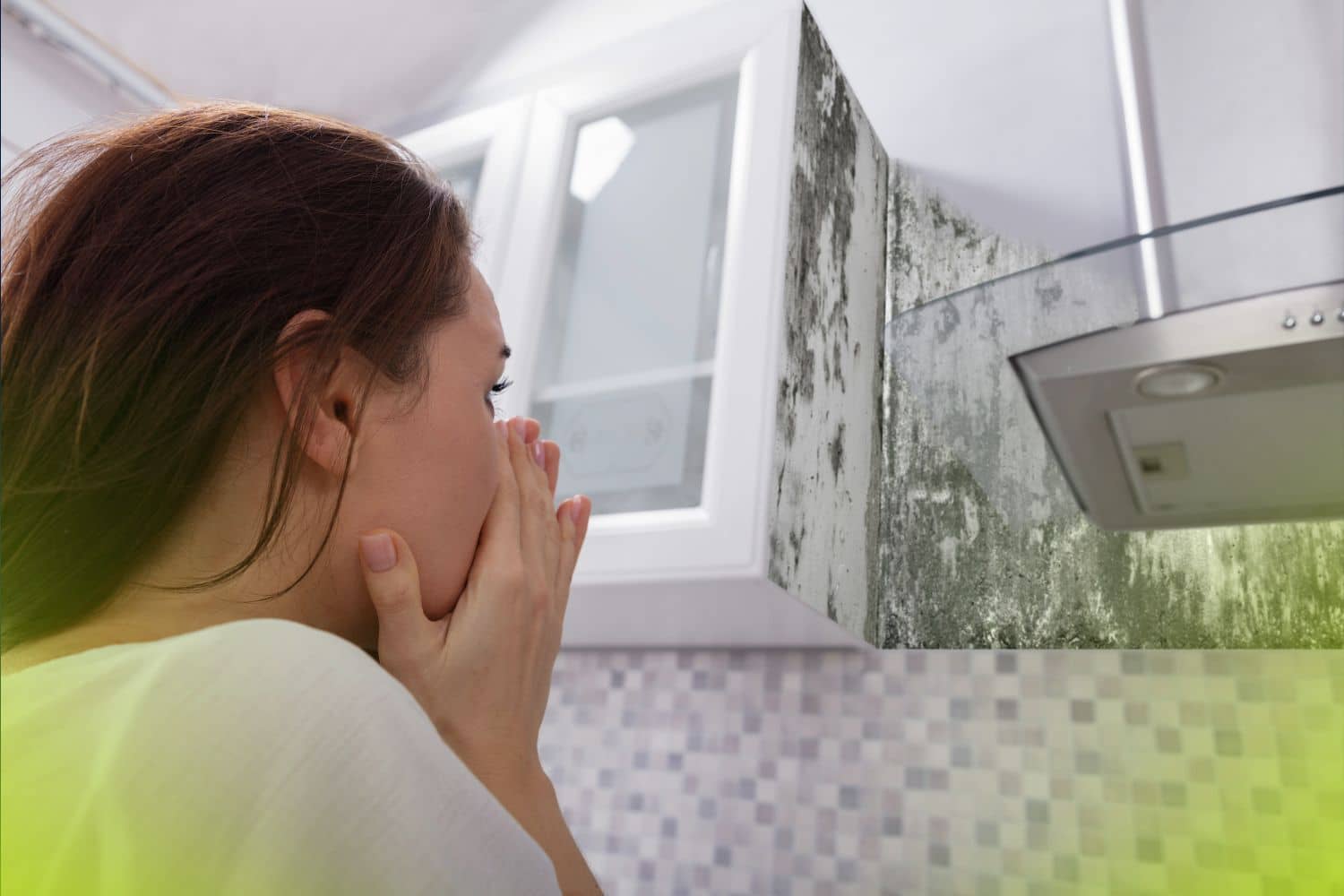
Yes, you can smell mold, and that musty odor is often the first sign that something is wrong inside your home, even if you cannot see a single visible spot. Mold releases gases as it grows, and those gases are what your nose is picking up.
At L&L Home Inspections, we find mold growth in areas homeowners never suspected, all because a client noticed a smell they could not explain. This guide covers what mold smells like, where it hides, and what to do when that odor shows up.
Yes, You Can Smell Mold: Here’s Why
Mold produces a distinct odor because it releases gases as it feeds on organic materials like drywall, wood, and carpet. You can smell mold before you see it, and in many homes, the smell is the only early warning sign available.
What Are mVOCs?
The gases responsible for that musty smell are called microbial volatile organic compounds, or mVOCs. According to the U.S. Environmental Protection Agency, mVOCs often have strong or unpleasant odors and are the source of the “moldy odor” commonly associated with mold growth. A moldy odor in a building suggests mold is present and should be investigated.
Over 200 compounds have been identified as mVOCs. The mix of compounds released depends on the mold species, the material it is growing on, and how far the growth has spread. This is why two mold problems in two different homes can smell noticeably different.
The EPA also notes that exposure to mVOCs has been linked to symptoms such as headaches, nasal irritation, dizziness, fatigue, and nausea; though more research is needed on long-term effects from typical indoor exposures.

What Does Mold Smell Like?
Mold typically smells musty, earthy, and stale. Most people compare it to a damp basement, old books, wet socks, or wood that has started to rot. The odor can range from faint and stale to sharp and sour, depending on the species and how long it has been growing.
Common Mold Odor Descriptions
Homeowners and inspectors commonly describe the smell of mold using these terms:
- Musty or stale: The most frequently reported smell. Think of a basement that has been closed up for months.
- Earthy: Similar to wet soil, rotting leaves, or damp forest air.
- Wet socks or dirty laundry: A sign that mold may be mixing with bacteria, often in HVAC systems or washing machine gaskets.
- Fermenting or sour: Caused by the metabolic processes of mold as it breaks down organic matter. Common near stored food or in kitchens.
- Rotting wood or decay: A stronger odor that typically signals mold has been growing for some time and may be causing structural damage.
If the smell in your home fades after cleaning and does not return, the cause is likely mildew: a surface-level growth that is easier to remove. If the smell comes back after a few days, hidden mold growth is the more likely explanation.
Does Black Mold Smell Different?
This is a common question. The color of mold does not give it a unique scent. “Black mold smell” is not a separate category. What drives the odor is the species of mold, the material it is growing on, and the amount of moisture present, not the color.
Some black-colored mold produces a heavier, more pungent odor, but smell alone cannot tell you whether you are dealing with a toxic species. A professional mold test is the only reliable way to identify mold type.
Where Is the Mold Smell Coming From?
Mold grows wherever moisture is present, and ventilation is poor. If you can smell it but cannot find it, the source is almost always in one of these locations.
Most Common Hiding Spots
- Basements and crawl spaces: Cool, damp, and often poorly ventilated. Moisture seeps in through foundation cracks, and mold can colonize floor joists and insulation for months before anyone notices. Our post on crawl space moisture problems covers how these issues build up season by season. covers how these issues build up season by season.
- Bathrooms: Grout lines, caulk joints, and the area behind shower surrounds are common growth zones. Poor exhaust ventilation traps humidity and feeds mold inside wall cavities.
- HVAC systems and air ducts: Dust and moisture inside ducts create ideal growing conditions. When the system runs, it pushes mold spores (and the smell) into every room in the house.
- Behind drywall and under flooring: A slow pipe leak or a roof leak that was never fully dried out can allow mold to grow inside wall cavities for years. You may smell it through outlets, baseboards, or floor seams before any visible staining appears.
- Attics: Poor ventilation, ice dams, and roof leaks create the right conditions for mold to grow on roof sheathing and rafters. Attic mold is one of the most common findings in Greater Philadelphia home inspections.
- Washing machine gaskets: Front-load washers are a frequent source of mold odor. The rubber door gasket stays wet between cycles and grows mold quickly if the door is left closed.
A key rule: track where the smell is strongest. The location with the most concentrated odor is usually closest to the source. Note when the smell is most noticeable, for example, after showers, during rain, or when the HVAC runs.
Can You Smell Mold But Not See It?
Yes. This is one of the most common situations homeowners face. Mold begins growing within 24 to 48 hours when moisture is present, and it can colonize deep inside building materials long before any visible staining reaches the surface.
The Centers for Disease Control and Prevention (CDC) notes that mold can grow in hidden places, including inside walls, above ceiling tiles, and underneath carpeting, where it is not visible during a routine walkthrough.
If you smell mold but cannot locate the source, do not assume the problem is small. Hidden mold in walls or a crawl space can affect a large area of a home while showing no surface signs at all.
Is the Smell of Mold Dangerous?
The smell itself will not harm you. The mVOCs that create the odor can cause mild symptoms like headaches and irritation in some people, but the greater health concern is exposure to airborne mold spores, which the smell signals are present.
People with allergies, asthma, or respiratory sensitivities are most at risk. Common symptoms of mold exposure include:
- Sneezing, runny nose, and nasal congestion
- Itchy or watery eyes
- Coughing or wheezing
- Skin rash
- Worsening asthma symptoms
- Fatigue or headaches that improve when leaving the home
If occupants notice symptoms that ease when they leave the house and return when they come home, that pattern is a strong indicator of an indoor air quality problem that warrants a professional mold inspection.

Related Questions to Explore
Does mold always have a smell?
Not always. Some mold grows in low-moisture conditions or at early stages where mVOC production is minimal. Certain species produce little to no detectable odor. This is one reason a musty smell is a warning sign worth taking seriously, but the absence of a smell does not rule out mold. Air and surface sampling during a professional mold inspection can detect mold that neither smells nor appears visible.
What does mold smell like in walls?
Mold inside wall cavities typically smells musty and stale, with earthy or slightly sour notes. You may notice it strongest near baseboards, outlets, and wall seams, since mVOCs migrate through small gaps. If the smell is present after a known water leak or pipe repair, mold in the wall cavity is a strong possibility.
Can a musty smell make you sick?
The musty smell is a sign that mold spores are likely circulating in your indoor air. Prolonged exposure to mold spores can trigger allergy-like symptoms and worsen conditions like asthma. Sensitive individuals, young children, and people with compromised immune systems are at higher risk. If you or family members experience symptoms that improve away from home, an indoor air quality assessment is a reasonable next step.
How do I find hidden mold if I can only smell it?
Start by tracking the odor to its strongest point. Check moisture-prone areas: under sinks, around water heaters, inside bathroom walls, in the attic, and throughout the crawl space. Look for visual clues like water stains, bubbling paint, warped flooring, or soft drywall. If you cannot locate the source, a certified mold inspector uses moisture meters and other tools to detect growth behind surfaces that are inaccessible to a standard visual inspection.
Will a mold smell go away on its own?
The smell will not go away unless the mold and the moisture source feeding it are both removed. mVOCs can even linger in materials after mold is killed, which is why professional remediation addresses both the growth and the conditions that caused it. Opening windows may temporarily reduce the odor, but it will return.
When to Call a Professional
A musty smell you cannot explain, symptoms that improve when you leave home, or a history of water damage in the house are all signals worth investigating further. A DIY mold test kit from a hardware store can give you a basic positive/negative result, but it cannot tell you where the mold is, how far it has spread, or what type it is.
A certified mold inspector can:
- Locate hidden mold using moisture meters and thermal imaging
- Collect air and surface samples analyzed by an accredited laboratory
- Identify the mold species and concentration
- Provide a written report you can use for insurance claims, real estate negotiations, or remediation planning
At L&L Home Inspections, Donald Nagle is an InterNACHI Certified Mold Inspector serving the Greater Philadelphia area, including Bucks, Berks, Delaware County, and surrounding communities.
If you smell something in your home that should not be there, a professional mold testing inspection gives you answers that the smell alone cannot provide. Call us at (484) 942-7344 or schedule online.
Conclusion
A musty smell in your home is your nose telling you that mold may be growing somewhere nearby. Here are the key points to take away:
- Mold produces gases called mVOCs, which create the musty, earthy odor you detect
- You can smell mold long before you see it, especially when growth is inside walls, under flooring, or in crawl spaces
- The smell does not go away on its own; the source has to be found and removed
If you have a persistent musty odor, a history of water damage, or occupants experiencing unexplained allergy-like symptoms, get a professional mold inspection rather than waiting for visible signs to appear. The earlier the problem is caught, the less damage it causes.
Schedule a mold and air quality inspection with L&L Home Inspections.
