
A home maintenance checklist keeps your house safe, comfortable, and worth more over time. Staying on top of seasonal tasks prevents small problems from turning into costly repairs.
This guide breaks down monthly, seasonal, and annual maintenance tasks, organized by when to do them, with clear guidance on when a job needs a professional.
As InterNACHI Certified Master Inspectors at L&L Home Inspections, we see the same neglected items on inspection after inspection. Here is what actually matters.
Monthly Home Maintenance Tasks
These quick checks take 15 to 20 minutes and catch problems early.
- Test smoke detectors and carbon monoxide detectors. Press the test button on each unit. Replace batteries annually or whenever a low-battery chirp starts.
- Check or replace your HVAC filter. Check it monthly. Most 1-inch filters need replacement every 30 to 90 days. A dirty filter drives up energy bills and strains your system.
- Inspect the fire extinguisher. The gauge needle should point to the green zone. If it does not, replace it.
- Run water in unused drains. Sinks, tubs, or floor drains that sit unused for weeks can lose water in the trap, letting sewer gas into the house. Run water for 30 seconds.
- Check under sinks for leaks. Look for water stains, drips, or soft cabinet floors. Catching a slow drip early saves your subfloor.
Spring Home Maintenance Checklist
Spring is the most important season for a home walk-through. Winter weather stresses every system and surface, and you want to find damage before it gets worse.
Exterior + Roof
- Walk the perimeter of your home and look for cracks in the foundation, damaged siding, and peeling paint.
- Inspect the roof from the ground with binoculars. Look for missing, curling, or cracked shingles. Check that flashing around chimneys and vents is intact.
- Inspect your deck or patio. Check for loose boards, soft spots (possible rot), and the ledger board connection where the deck meets the house.
- Power wash the siding, driveway, and walkways to remove winter grime and check for damage underneath.
Gutters + Drainage
- Clean gutters and downspouts. Clear out winter debris so spring rains drain properly.
- Check that downspouts direct water at least 6 feet from the foundation.
- Walk your yard after the first heavy rain and check for standing water near the house. Grading should slope away from the foundation. Pooling water near the foundation is one of the leading causes of basement moisture problems.
Systems + Interior
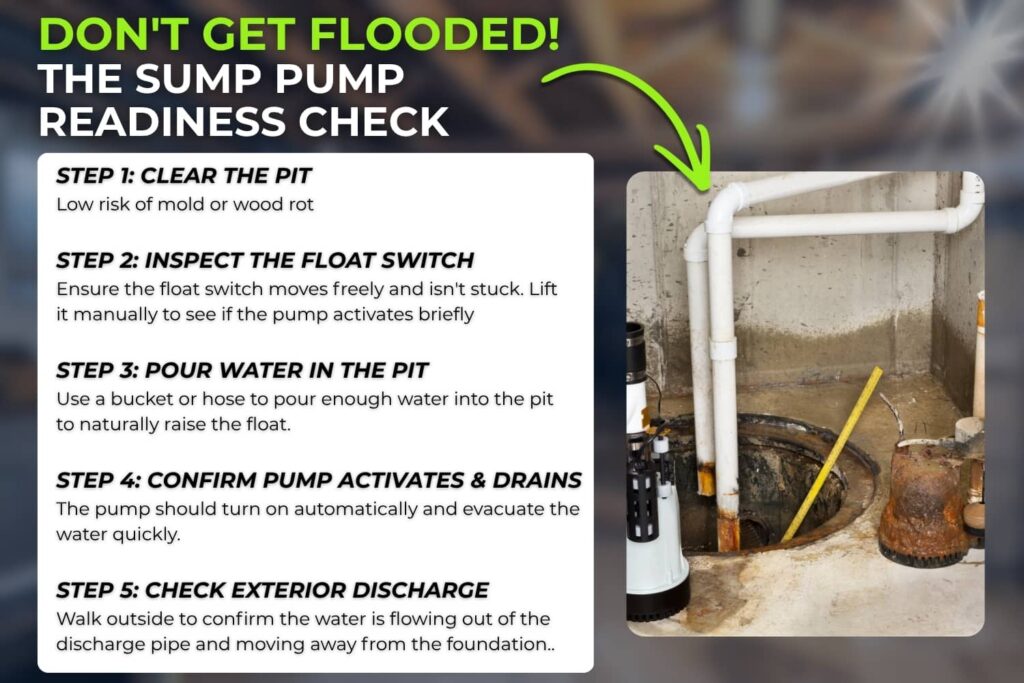
- Test your sump pump. Pour water into the pit and confirm that the pump activates and drains. The spring rain season is the wrong time to discover a failed pump.
- Have your air conditioning system serviced before summer.
- Clean the dryer vent from the exterior. A clogged dryer vent is a fire hazard.
- Open crawlspace vents for the warmer months if your home has manual vent covers.
- Schedule a pest inspection. Termites become active in spring in the Philadelphia region, and early detection is far less expensive than treatment after a colony is established.
- Check exterior window and door caulk. Re-caulk any gaps or cracked seals.
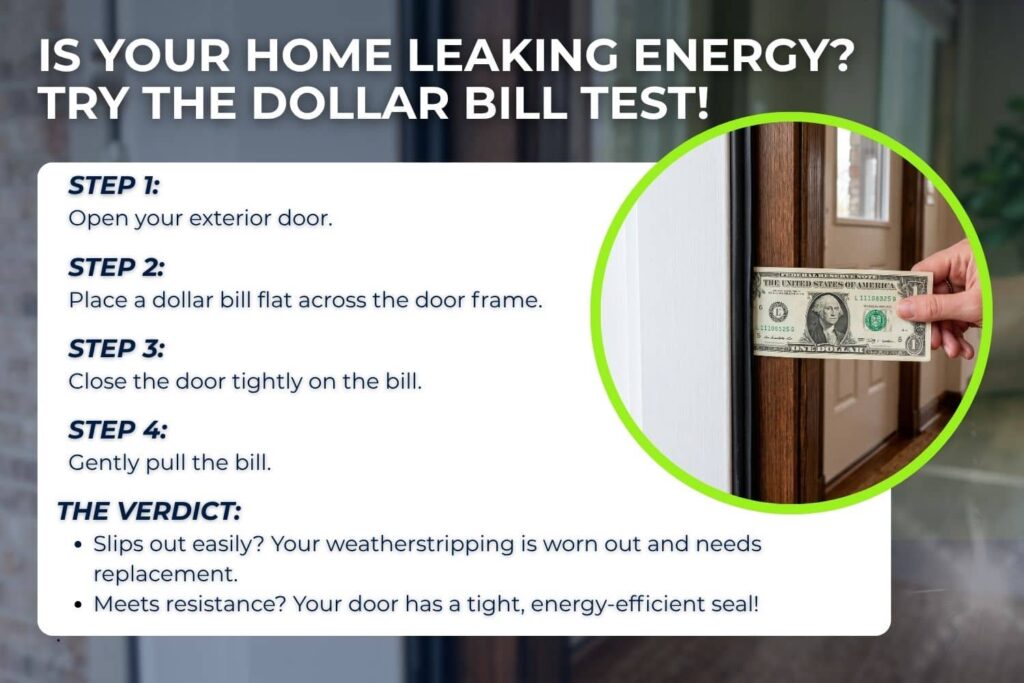
- Inspect weatherstripping on all exterior doors. A dollar bill should meet resistance when you close the door on it.
Download our Spring Home Maintenance Checklist for a printable version to take through your walk-through.
Summer Home Maintenance Checklist
Summer maintenance focuses on your cooling systems and keeping your exterior in good shape during heavy-use months.
- Service your air conditioning unit. Keep the area around the exterior unit clear of debris. If you see ice forming on the refrigerant lines, shut the system off and call an HVAC technician.
- Flip ceiling fans to run counter-clockwise. This pushes cool air down and makes rooms feel cooler without dropping the thermostat.
- Trim trees and shrubs. Keep vegetation at least 3 feet from the house. Branches touching the roof or siding create pathways for pests and trap moisture.
- Inspect window screens and repair or replace any that are torn.
- Check garage door balance. Disconnect the automatic opener and manually lift the door to knee height. If it does not stay put, the springs are out of balance. This is a job for a professional.
- Check grading and drainage after heavy rain. Summer storms can be intense in Montgomery County and the surrounding area. Make sure water is moving away from your foundation.
Fall Home Maintenance Checklist
Fall prep is about getting ahead of winter before temperatures drop. The work you do in October pays off in January.
Exterior + Roof
- Clean gutters and downspouts again after leaves have fallen. Clogged gutters lead to ice dams in winter.
- Inspect the roof before winter. Look for loose shingles, damaged flashing, and any debris sitting on the surface.
- Caulk around windows, doors, and where pipes and wires enter the house. Air sealing directly reduces heating costs.
- Inspect and repair weatherstripping on all exterior doors.
Systems + Safety
- Have your furnace or boiler serviced. Replace the HVAC filter. Do not skip this step. A cracked heat exchanger puts carbon monoxide into your home’s air.
- Have the chimney inspected and swept before you use your fireplace. Creosote buildup is a leading cause of house fires. The National Fire Protection Association recommends annual chimney inspections.
- Drain and disconnect outdoor hoses. Shut off exterior spigots from inside the house. A frozen hose bib can burst the pipe behind the wall.
- Insulate exposed pipes in unheated spaces like the garage, crawlspace, and basement.
- Test smoke and carbon monoxide detectors. Replace batteries.
- Check attic insulation and ventilation. Proper attic ventilation prevents ice dams and reduces heating costs.
Winter Home Maintenance Checklist
Winter maintenance is largely about monitoring and protecting your home during cold and freeze-thaw cycles.
- Know where your main water shutoff is. If a pipe bursts, every minute counts.
- Open cabinet doors under sinks during hard freezes. Philadelphia-area temperatures can drop well below 20°F. Pipes along exterior walls are most vulnerable.
- Monitor your roof for ice dams. Ice dams form when heat escapes through the roof and refreezes at the eaves. Left unaddressed, water backs up under shingles and causes interior leaks.
- Keep ceiling fans on low speed in clockwise rotation to push warm air from the ceiling down to living spaces.
- Check your sump pump after the snow melts. Warm spells mid-winter can generate significant runoff quickly.
- Inspect the basement and crawlspace for moisture after heavy snow melts. Early detection of water intrusion prevents mold growth.
Annual Tasks Worth Scheduling
Some tasks only need to happen once a year, but skipping them repeatedly has consequences.
- Flush the water heater. Sediment builds up at the bottom of the tank, reducing efficiency and shortening its lifespan. Flush until the water runs clear.
- Have a mold inspection if your home has a basement, crawlspace, or has experienced any water intrusion events. The National Association of Home Builders recommends routine professional evaluations of these spaces.
- Professional pest and termite inspection. Even if you do not see signs of activity, termites work silently.
- Set a maintenance budget. A widely used rule of thumb: set aside 1% to 3% of your home’s current value each year for maintenance and repairs. An older home in the Greater Philadelphia area may need to be at the higher end of that range.
- Schedule a home inspection. Most people associate home inspections with buying or selling. But a periodic inspection by a certified professional catches the things a homeowner cannot easily see: attic structure, HVAC heat exchangers, electrical panel conditions, and foundation concerns. An annual or biennial inspection is one of the most cost-effective tools for long-term home protection. Learn more about what a certified home inspection covers and what to expect during the process.
Related Questions to Explore
What is the difference between a standard home inspection and a specialized mold inspection?
A standard home inspection evaluates the overall condition of a home’s structural, electrical, and mechanical systems. A specialized mold inspection focuses specifically on identifying hidden moisture sources, taking air quality or surface samples, and locating fungal growth that may not be visible during a routine walk-through.
How do wood-destroying insects impact a home’s structural integrity?
Pests like termites, carpenter ants, and beetles tunnel through the wooden framing of a house. Because they feed or nest from the inside out, they can severely compromise floor joists, support beams, and sill plates long before a homeowner notices any exterior signs of damage.
What environmental hazards should be tested for during a property evaluation?
In addition to physical structures, properties face invisible environmental risks. Testing for radon gas, analyzing well water for contaminants, and checking for wood-destroying organisms are critical steps to ensure a healthy and safe indoor environment.
Why should homeowners with private wells schedule regular water quality testing?
Unlike municipal systems, private wells are not publicly monitored or treated for safety. Harmful contaminants like coliform bacteria, nitrates, lead, and arsenic can seep into the groundwater supply without altering the water’s taste, color, or smell. Routine well water testing ensures the supply remains safe for consumption and helps identify filtration or treatment needs before health risks arise.
When to Call a Professional
A home maintenance checklist is a powerful tool, but some tasks go beyond what a homeowner should handle. Here is when to stop the DIY and call someone in:
Electrical issues: Breakers tripping repeatedly, GFCI outlets that will not reset, or any exposed wiring.
- Roof damage: Do not walk on an unfamiliar roof. If you see damage from the ground, have a roofer assess it.
- Chimney: Always have your chimney professionally swept and inspected before using it for the season.
- HVAC: Ice on refrigerant lines, heat exchanger concerns, or a furnace that does not hold temperature.
- Foundation cracks: Horizontal cracks in a block or poured foundation, or stair-step cracks in brick or mortar, need professional evaluation right away.
- Mold: Per EPA guidelines, mold growth covering more than 10 square feet requires professional remediation.
- A periodic home inspection: If you have not had a professional inspection since you bought your home, or if it has been more than two years, it is time.
Our certified inspectors at L&L Home Inspections serve Montgomery County, Bucks County, Delaware County, Berks County, and the surrounding Philadelphia area. Contact us today to get a free quote and schedule your inspection!
Conclusion
Keeping up with your home does not have to feel overwhelming. Breaking maintenance into monthly, seasonal, and annual tasks makes the work manageable, and each completed item protects your investment for years to come.
Key takeaways:
- Monthly checks catch problems early. Test detectors, inspect for leaks, and check your HVAC filter.
- Spring and fall are your highest-impact maintenance seasons. Do your most thorough walk-throughs then.
- Some tasks require a professional. Knowing where the line is keeps you safe and saves money.
When your checklist turns up something that needs a closer look, our team is here. Don Nagle and the L&L Home Inspections team serve Greater Philadelphia with certified, honest inspections.
Learn more about our home inspection services and what to expect when we arrive.
