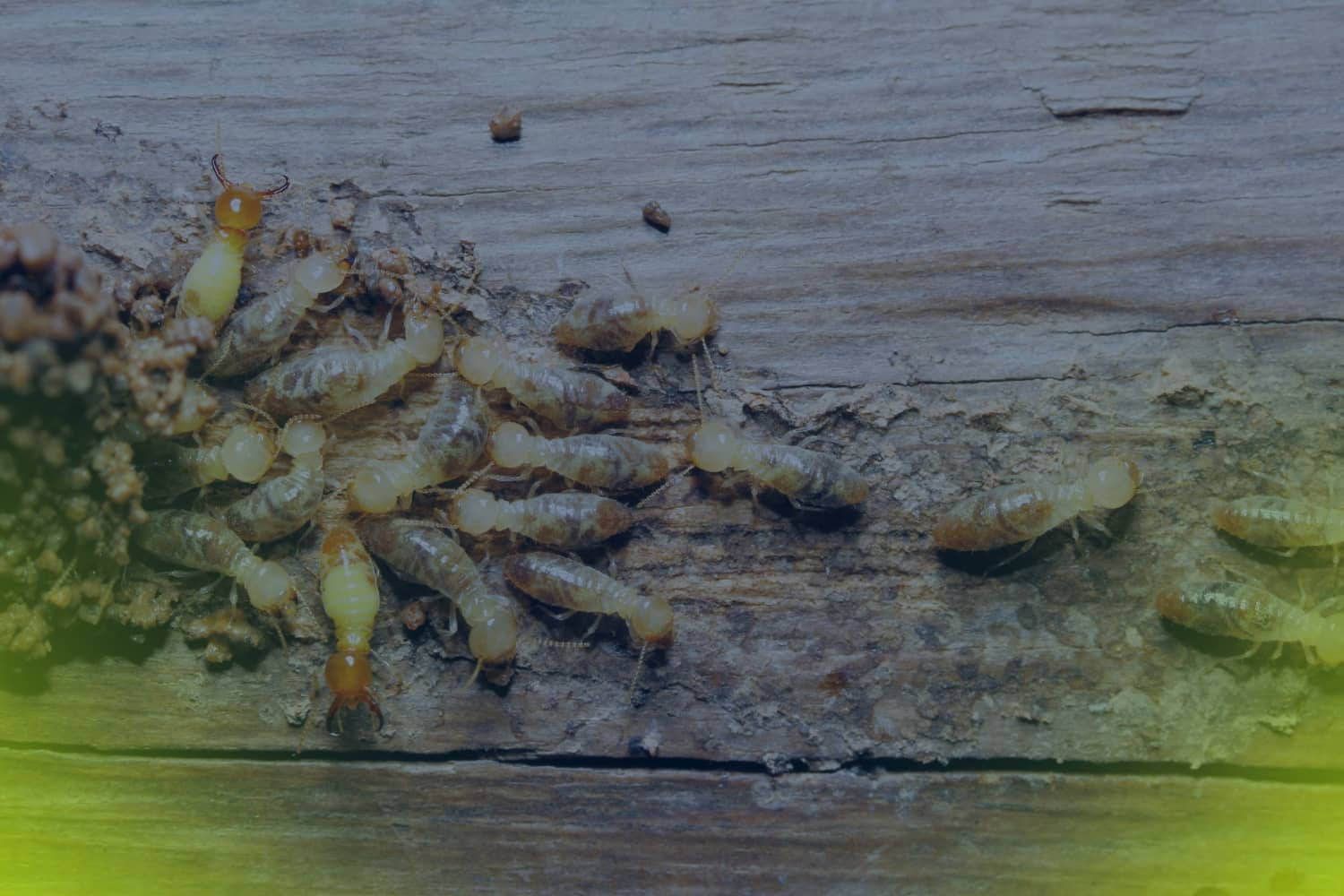
Buying a home in the Greater Philadelphia area is exciting. But between the older row homes in Lansdale, the colonials out in Berks County, and the split-levels scattered across Bucks and Delaware County, there is one problem that quietly hides behind walls, under floors, and inside wood framing: termites. Termite evidence is not always obvious.
Homeowners miss most termite infestations completely for years. By the time homeowners realize something is wrong, the termite damage is extensive, and the repair bills reflect it.
If you are buying a house in Pennsylvania, knowing the visible signs of termite activity, where to look, and why a dedicated Wood Destroying Insect (WDI) inspection matters can protect you from costly repairs after closing.
What Is Termite Evidence?
Termite evidence refers to any physical signs that termites are currently active, were previously active, or that conditions exist making a property highly vulnerable to infestation.
A trained inspector does not just look for live insects. They look for signs of termite damage that different pest species leave behind, many of which are easy to miss without experience.
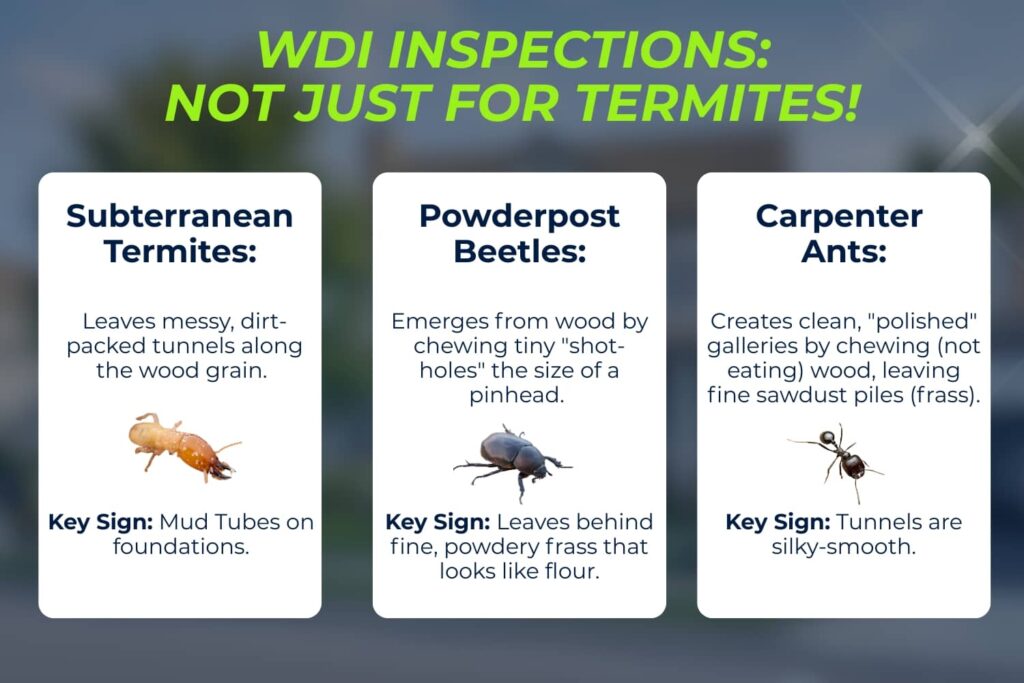
In Pennsylvania, two species are most relevant. Subterranean termites are by far the most common. They build underground colonies and travel into a home’s structure through mud tubes, pencil-sized tunnels made of dirt and saliva that allow them to move between their colony and food sources in the building above.
Subterranean termites require moisture to survive and rely on these shelter tubes to protect them as they travel. Drywood termites establish their colonies directly within the wood they infest, creating intricate tunnels and chambers without needing soil contact, and are often found in attic framing, window frames, and dead wood within the structure.
Formosan termites, a particularly aggressive subterranean species, are worth knowing about as well. Formosan termites are known for forming exceptionally large colonies and causing structural damage at a faster rate than other species. While less common in Pennsylvania than in southern states, pest professionals have documented their presence in the region, and their impact on a house can be severe.
Visible Signs of a Termite Infestation
These are the most common signs of termite activity that a WDI inspector looks for:
Mud tubes or shelter tubes
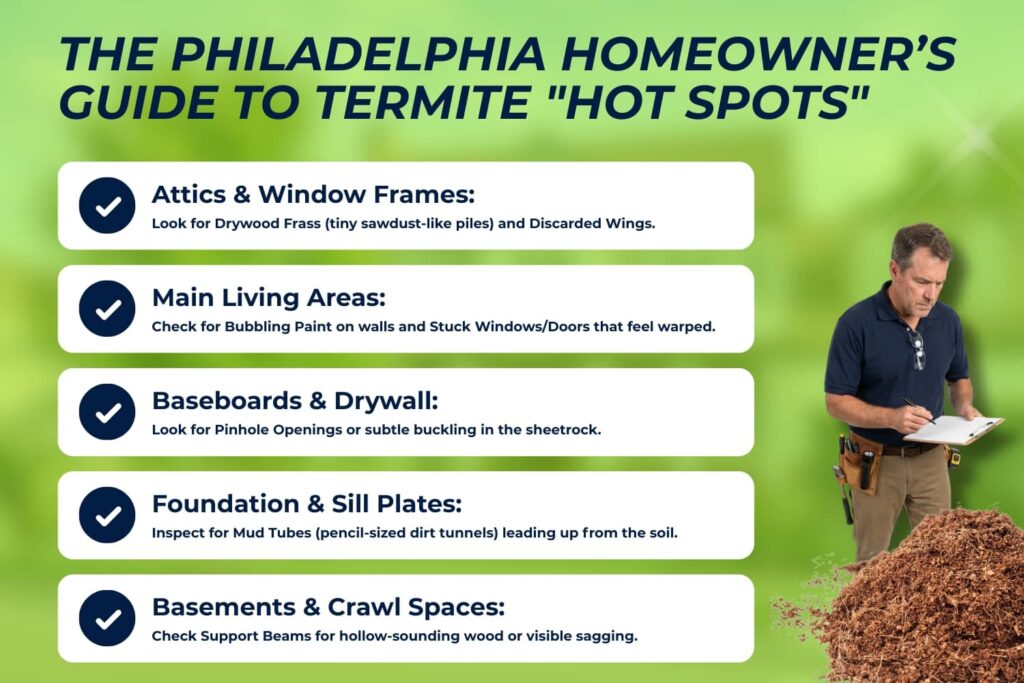
Pencil-width tunnels of soil, wood particles, and saliva along foundation walls or basement framing. The first sign of subterranean termite activity in many buildings is a mud tube discovered along an interior or exterior wall.
Shelter tubes are a sure sign that termites are actively moving between the soil and the structure.
Hollow-sounding Wood
Termites consume wood from the inside out, often leaving a thin veneer of wood on the surface that makes it difficult to detect damage until it is severe. Hollow-sounding wood or wood that crumbles when probed is a strong indicator of termite damage inside a structural member.
Drywood Termite Droppings (Frass)
Frass, or termite droppings, appears as small, granular piles resembling sawdust or coffee grounds. Drywood termites push this waste out of kick-out holes near windowsills, a kitchen wall, or baseboards.
Discarded Termite Wings
Termite swarmers shed their wings after mating and establishing a new colony. Piles of discarded termite wings near windows, open doors, or light sources signal that swarmers have been active recently. Termites shed wings that are uniform in size, which helps distinguish them from flying ants.
Flying Termites
Swarmers, or flying termites, are a clear sign of an active termite infestation, as they emerge from mature colonies to find mates and establish new colonies.
Spotting swarmers indoors almost always means an established colony is already in or very near the building, typically appearing in large numbers during spring.
Bubbling paint
Bubbling paint on wooden surfaces or an exterior wall can mimic water damage, but is often caused by termites introducing moisture into infested wood just beneath the surface.
Damaged Drywall
Discolored, pinhole-marked, or subtly buckling drywall near baseboards or exterior walls can be an early sign of a termite infestation working through the wood framing behind it.
Stuck Windows And Doors
As termites eat through and introduce moisture into wood framing around windows and doors, the wood can swell and warp. Stuck windows and doors that were not previously difficult to open are another sign of termite-related wood damage worth investigating.
Visible Damage To Support Beams
In basements and crawl spaces, visible damage to support beams or floor joists is a more advanced sign of termite activity. Wood rot, sagging, or wood that crumbles under light pressure in these areas should always prompt a professional evaluation.
Why Older Pennsylvania Homes Are Especially Vulnerable
The Philadelphia region has a lot of older housing stock. Many homes across Montgomery, Bucks, Berks, and Delaware County were built decades ago, some more than a century ago.
Older construction often means wood framing sitting closer to or directly on the soil, aging moisture barriers, and buildings that have had far more time and exposure to attract termite infestations.
Pennsylvania’s climate compounds this. Warm, humid summers create ideal conditions for subterranean termite colonies to grow and expand.
A colony of 250,000 termites can chew through roughly two feet of a 2×4 in as little as five months, which illustrates how quickly termite activity compromises structural integrity when left undetected.
Termites eat wood by targeting plant cell walls, hollowing out structural members from the inside while leaving surfaces that appear intact.
Moisture problems and termite risk go hand in hand. A house with crawl space moisture issues, poor drainage near the foundation, or an aging sewer line saturating the soil nearby is not just dealing with one problem.
Those conditions actively create the environment where a termite infestation takes hold and spreads. Regular inspections and preventive treatments are essential to protect homes in this region, as infestations can harbor hidden damage that homeowners rarely detect until it becomes severe.
Active vs. Past Termite Evidence
Not all termite evidence means termites are active right now. Inspectors distinguish between a current termite infestation and signs of past activity that may have already been addressed.
| Evidence Type | What It May Indicate |
|---|---|
| Live termites or active shelter tubes | Current active termite infestation |
| Dry, crumbling mud tubes | Past activity, possibly treated |
| Hollow-sounding wood or infested wood | Past or ongoing infestation |
| Frass near kick-out holes | Likely active drywood termite colony |
| Discarded termite wings near open doors or windows | Recent swarm, possible new colony nearby |
| Treatment holes in foundation | Prior termite control history |
Past termite evidence does not mean the problem is resolved. A proper WDI inspection documents all visible signs so buyers understand the full picture before closing.
What a WDI Inspection Covers
A WDI inspection covers more than just termites. Other wood-destroying pest species, including carpenter ants, carpenter bees, and powder post beetles, can cause significant damage and leave behind other signs that a trained inspector identifies.
Using wood treatments and barriers as part of a professional termite control plan can also help protect structures by making wood less appealing to these pests over time.
The inspection produces an NPMA-33 report that most lenders require for FHA, VA, USDA, and conventional loans. It documents visible signs of infestation, inaccessible areas, and conducive conditions like wood-to-soil contact or excess moisture that increase termite risk.
A certified home inspection evaluates the overall condition of a property. A WDI inspection is a specialized service focused on wood damage and pest activity.
Both complement each other directly. Moisture flagged during a home inspection often points to higher termite risk.
Termite damage found during a WDI inspection raises questions about structural integrity that carry into the broader evaluation. Having both done together gives buyers the most complete picture before committing to a purchase.
Other Related Questions
How can homeowners reduce moisture to protect against termites?
Proper drainage, prompt leak repairs, and crawl space moisture control all help. Homes with compromised sewer lines are especially at risk, since a failing lateral can saturate the soil near the foundation and create ideal conditions for termites. A sewer lateral inspection can identify that risk early.
What should a buyer do if termite evidence is found before closing?
It is not automatically a deal breaker. Many buyers across the Philadelphia region successfully negotiate treatment, seller-paid repairs, or price adjustments when documented findings are in hand. Having a certified home inspection completed alongside the WDI evaluation gives buyers the strongest position going into those conversations.
How often should homeowners schedule a WDI inspection?
Every one to three years is reasonable for most Pennsylvania homeowners, and more frequently for homes with known moisture issues. Homes on well water or with aging plumbing that contributes to excess moisture around the foundation are worth monitoring closely. A well inspection and water testing can help determine whether the water system is part of the problem.
When to Call a Professional
If you are under contract on a home in the Greater Philadelphia area, schedule your certified home inspection and WDI inspection as early as possible. You need time to review findings and negotiate if needed without being rushed.
If you are already a homeowner and have not had a WDI inspection in a few years, especially if you have noticed shelter tubes along your foundation, swarmers near windows in the spring, or hollow-sounding wood underfoot, get a professional evaluation before a manageable termite problem becomes a major structural repair.
Conclusion
Termite evidence is one of the most financially significant things a home inspector can find before closing, and in a market like Greater Philadelphia, it is more common than most buyers expect.
Older buildings, moist soils, and active termite colonies across Pennsylvania make a dedicated WDI inspection one of the smartest steps in the buying process.
At L&L Home Inspections, we provide certified Wood Destroying Insect inspections alongside full home inspections throughout Montgomery, Bucks, Berks, Delaware County, and the greater Philadelphia area.
Veterans, nurses, and police officers receive a free termite inspection with any home inspection purchase. Reach out today to schedule or get your questions answered before your next transaction.
